







The global storage market has entered a significant transition period in early 2026, with pricing and availability pressures affecting nearly all NAS-related components.
One of the largest drivers is a global reallocation of memory production toward AI workloads. Major manufacturers such as Samsung and SK Hynix have redirected substantial capacity to High Bandwidth Memory used in AI accelerators and data centres. As a result, standard DDR4 and DDR5 memory pricing has increased by up to up to 200% since late 2025, directly affecting NAS systems that rely on ECC RAM for stability and performance.
At the same time, NAND flash pricing has risen sharply. NVMe and SATA SSD prices are now more than double their early 2025 levels. Reduced wafer output combined with enterprise demand has ended the period of inexpensive SSD upgrades. For NAS buyers, this changes the cost-benefit equation of SSD caching and all-flash arrays, particularly for small businesses.
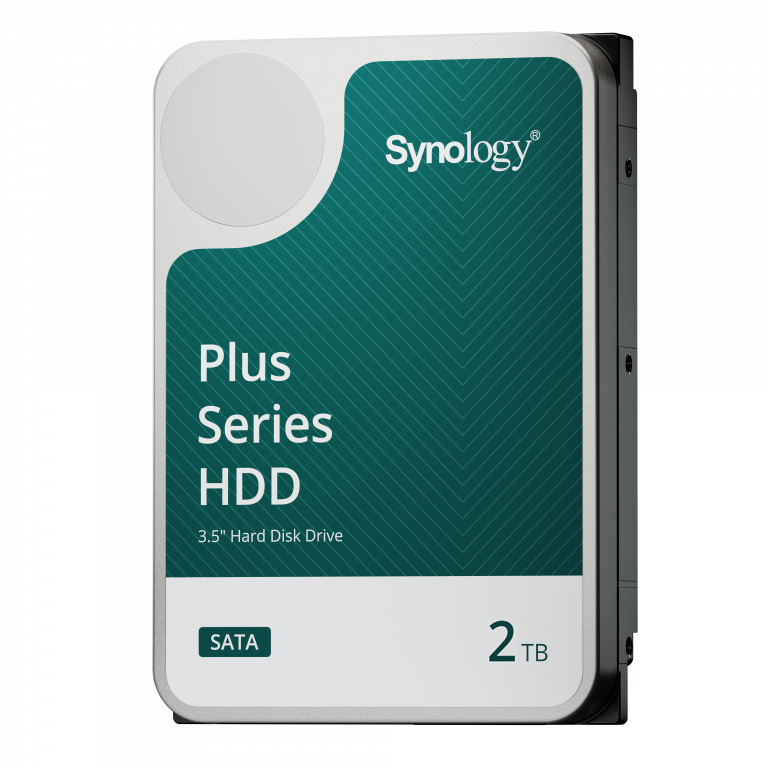
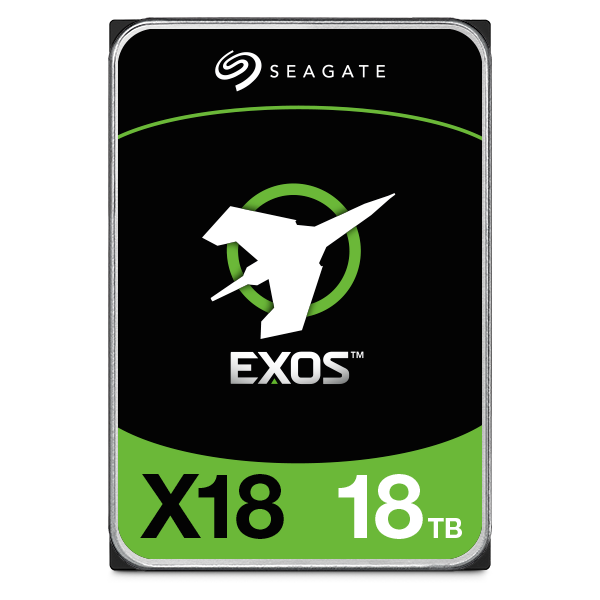
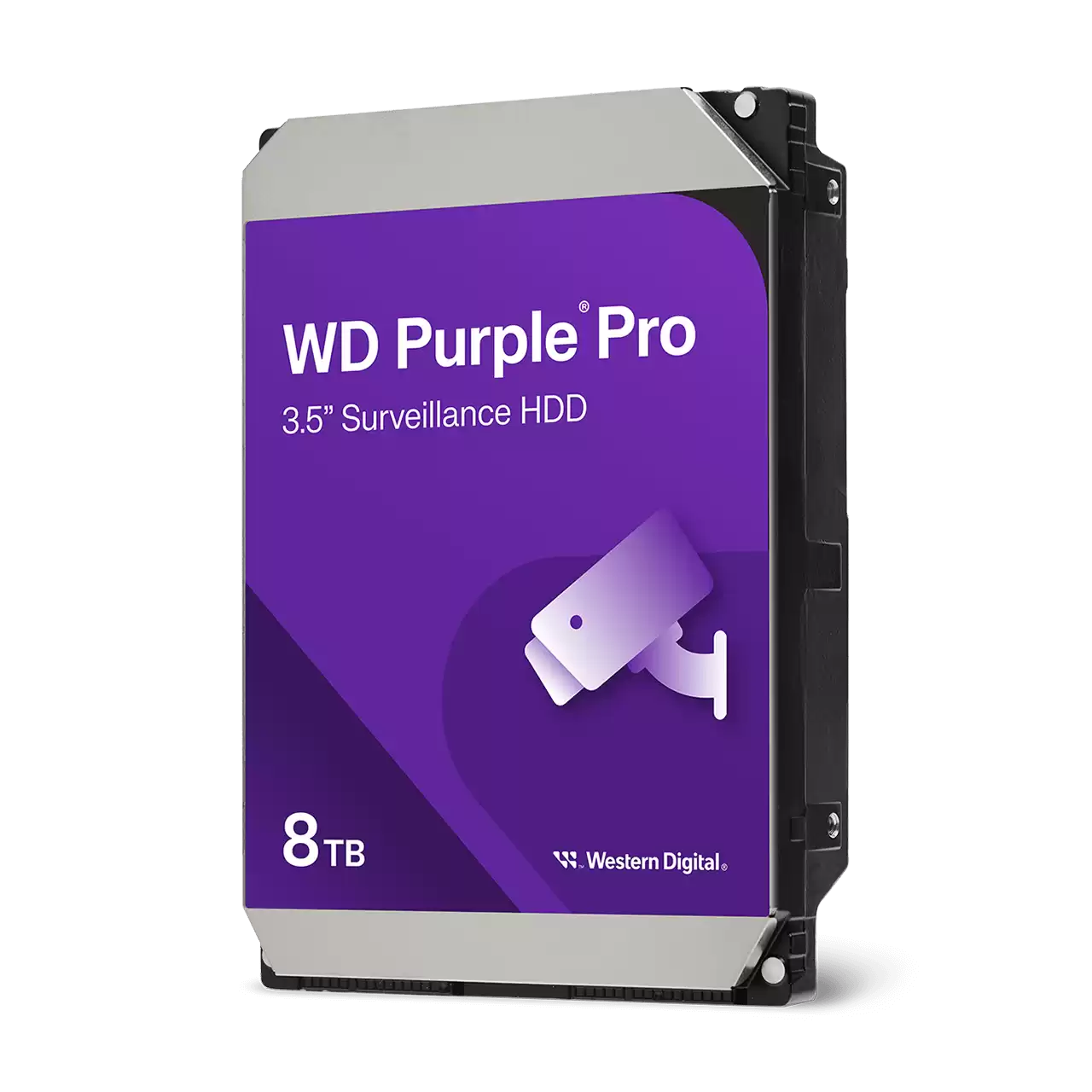
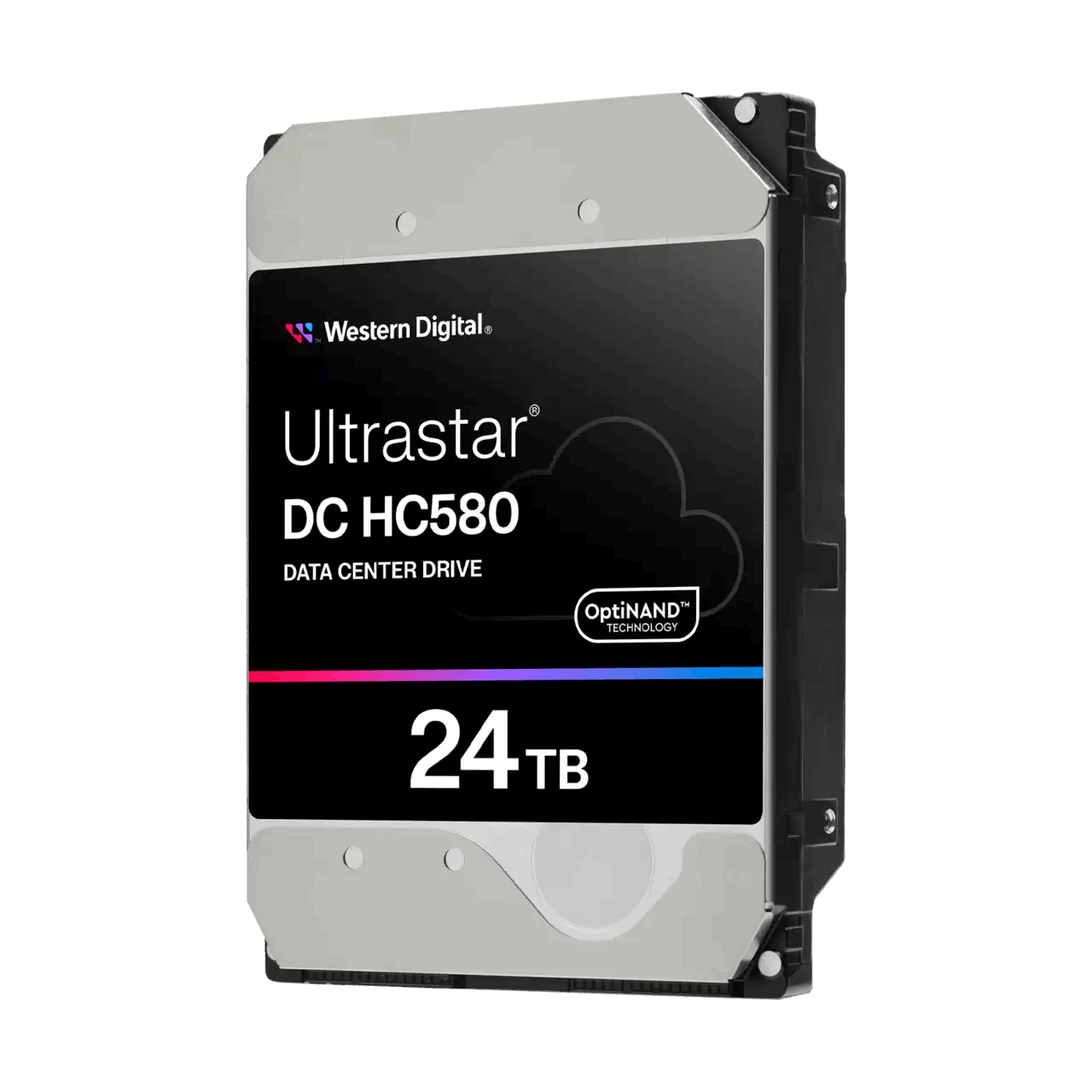
These pressures have also affected traditional hard drives. As SSDs become less cost-effective for bulk storage, demand has shifted back toward high-capacity HDDs, particularly 20TB and above. This has caused a steady price increase across NAS-focused models such as Seagate IronWolf and Exos and WD Red Pro and Ultrastar.
For buyers, this environment places greater importance on upfront capacity planning. Incremental upgrades that previously made sense may now carry a higher total cost.