











QNAP QSN-3000
Break single-node limits with an enterprise-grade Scale-out storage node powered by an Intel(R) Xeon(R) E-2336 processor and 128GB DDR4 ECC memory. Running QuTS MEGA, the QSN-3000 uses a native distributed architecture to form a horizontally scalable storage cluster for PB-scale data, long-term retention and high-availability requirements.
What is the QNAP QSN-3000?
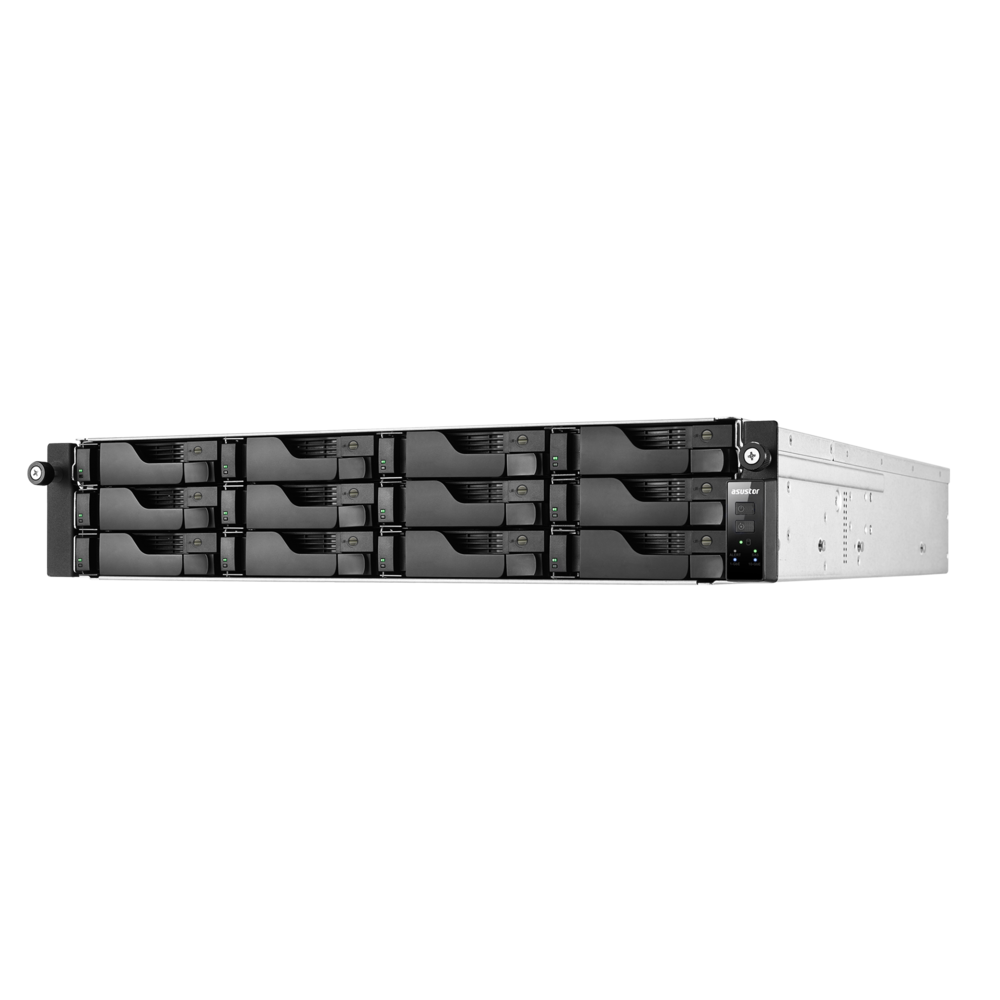
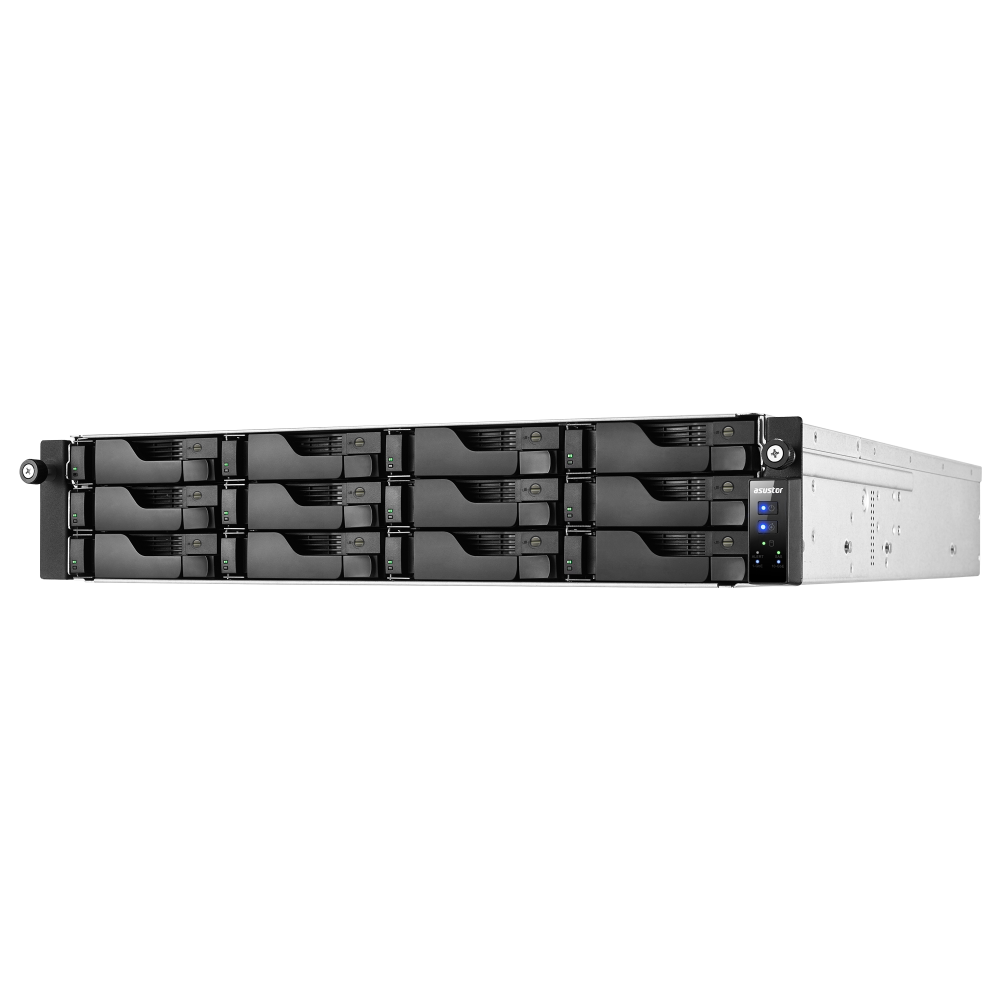
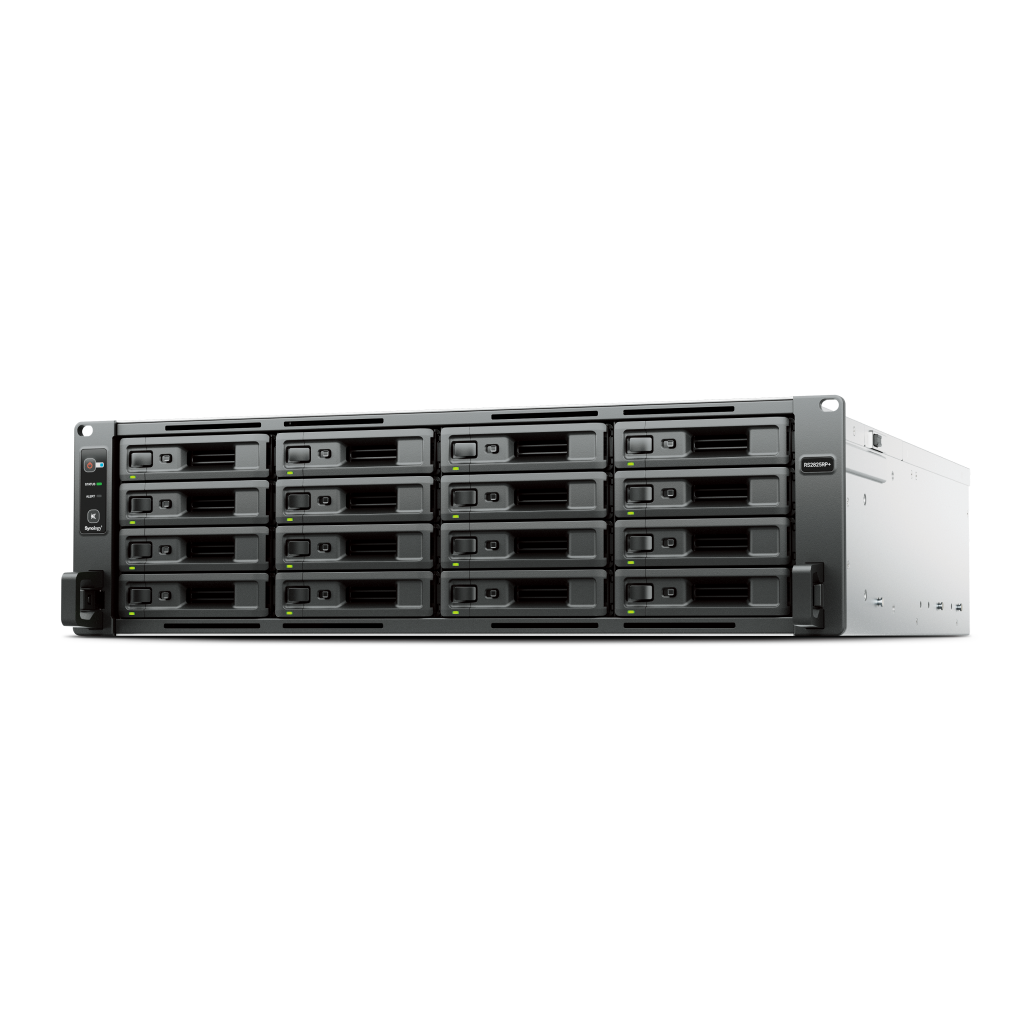
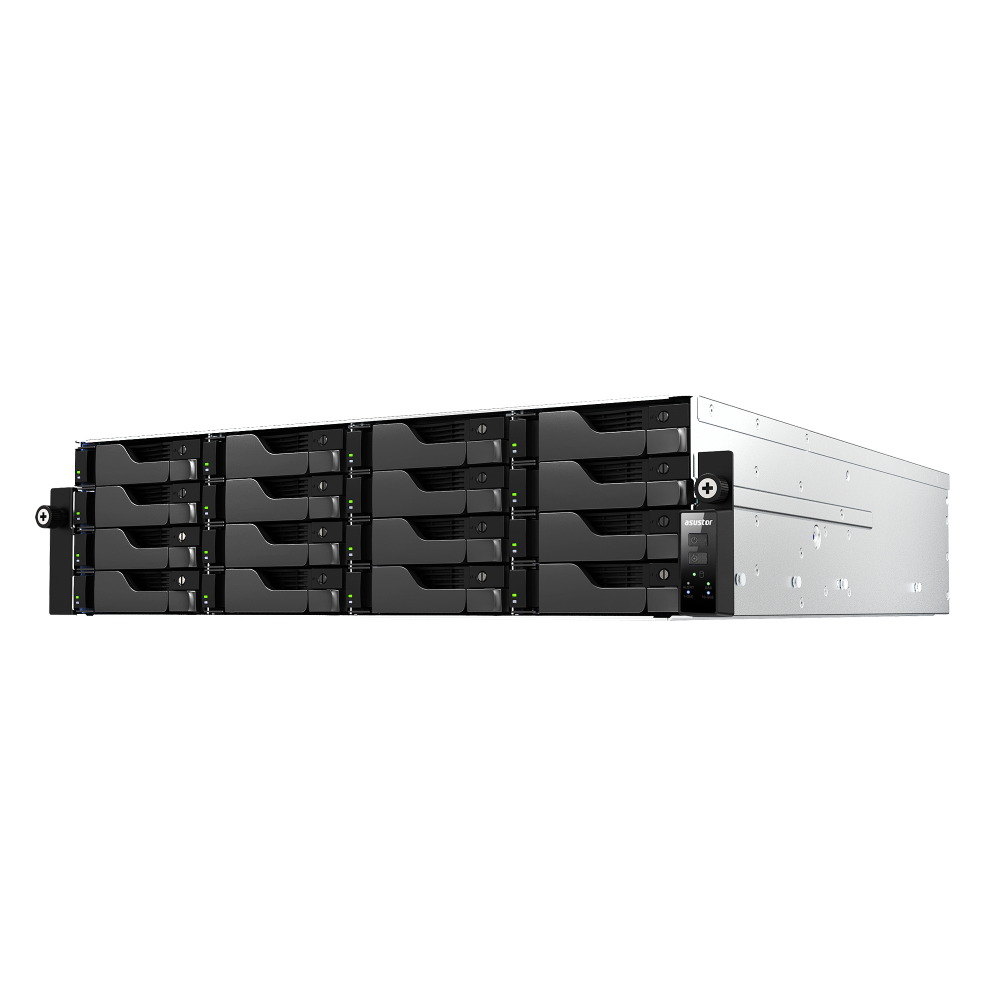
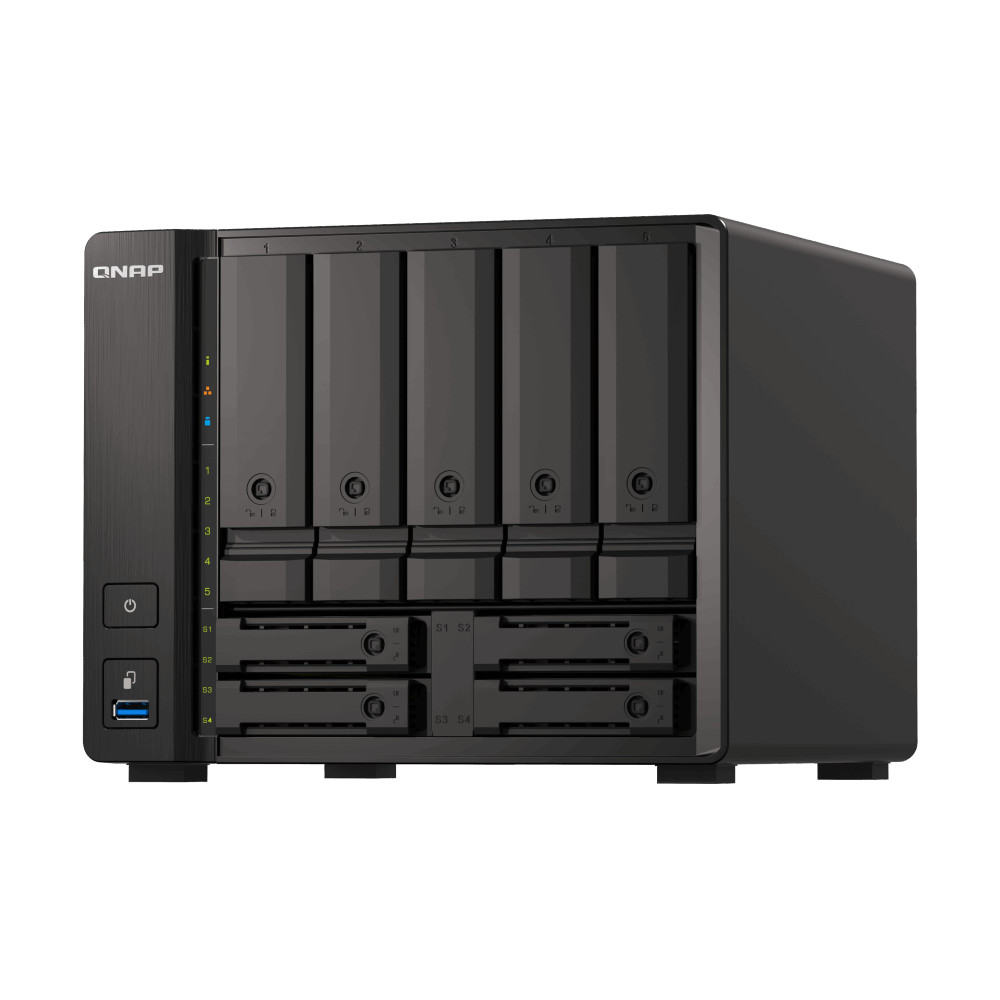
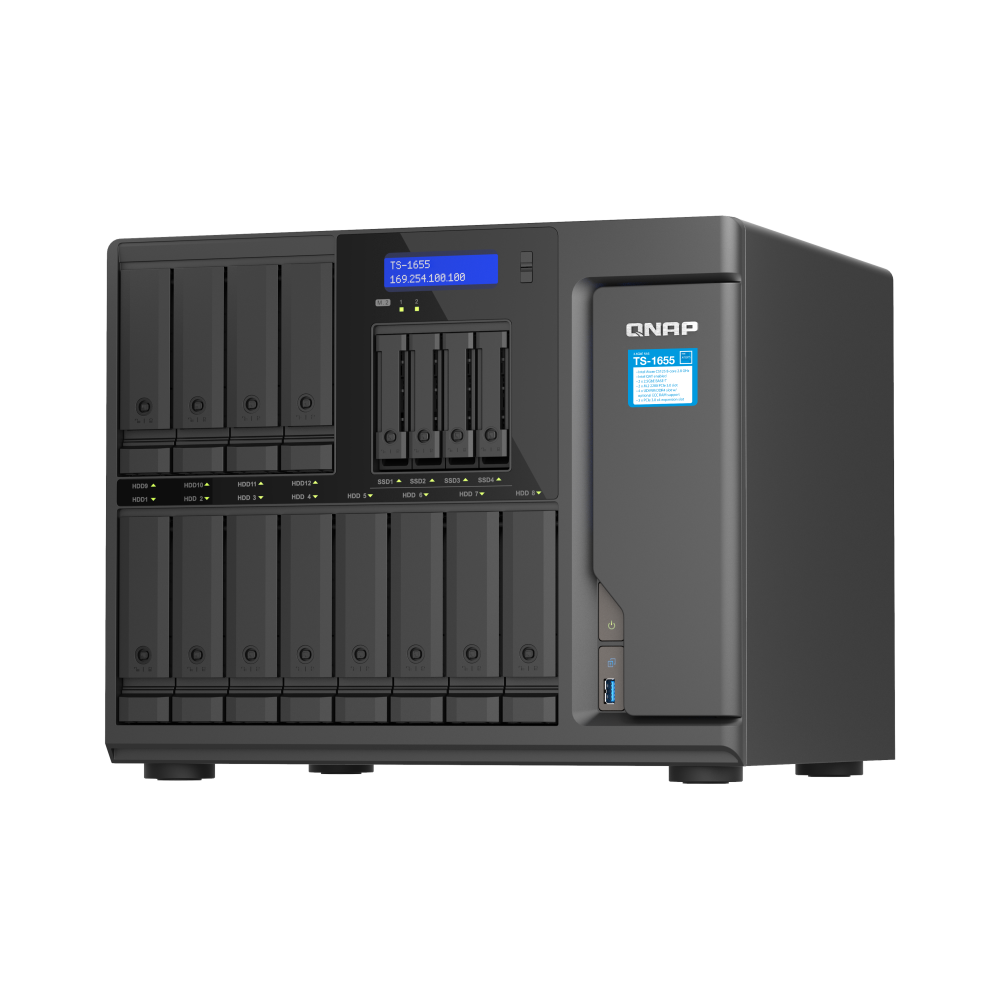
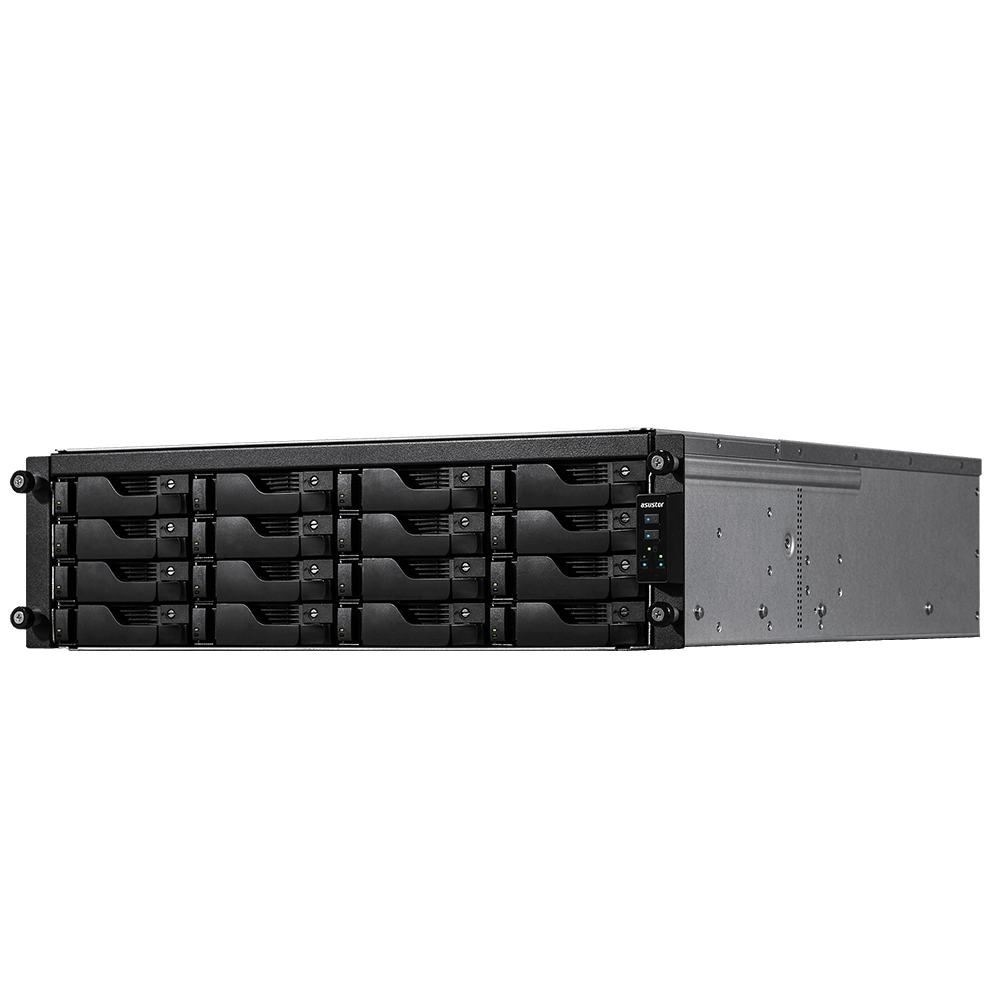
The QSN-3000 is a 2U, 18-bay Scale-out storage node with 12 x 3.5-inch SATA bays and 6 x 2.5-inch SATA SSD bays. Organisations can add nodes to expand both storage capacity and performance without interrupting services.
Native Scale-out Architecture
Expand cluster capacity and performance as requirements evolve.
Built on a native Scale-out architecture, the QSN-3000 allows enterprises to add nodes on demand. Storage capacity and throughput scale linearly with each additional node, removing the expansion constraints associated with traditional single-node storage systems.
All scaling operations are performed without service interruption, helping the cluster remain available while infrastructure grows.
Data Protection, Fault Tolerance and Availability
Distributed protection mechanisms help maintain service continuity and data integrity.
Erasure Coding and Replication
Supports both protection mechanisms to balance storage efficiency and data protection across the cluster.
Node-Level Failure Domain
Uses the node as the failure domain to eliminate single points of failure and support large-capacity, long-term retention deployments.
Automatic Recovery and Self-Healing
Services automatically recover and migrate after a node failure while self-healing processes rebuild lost data.
Multi-Protocol Enterprise Services
File and object protocols support established applications and modern storage architectures.
SMB and NFS File Services
Native SMB and NFS support allows existing file-based applications to be deployed without modification.
S3 API Object Storage
Native S3 API support enables integration with modern object storage architectures.
Enterprise Data Platforms
Designed as a core building block for enterprise file services, object storage, long-term archiving, disaster recovery and large-scale data platforms.
Hardware Built for Scalable Cluster Performance
Server-grade processing, ECC memory and flexible storage support predictable node-level operation.
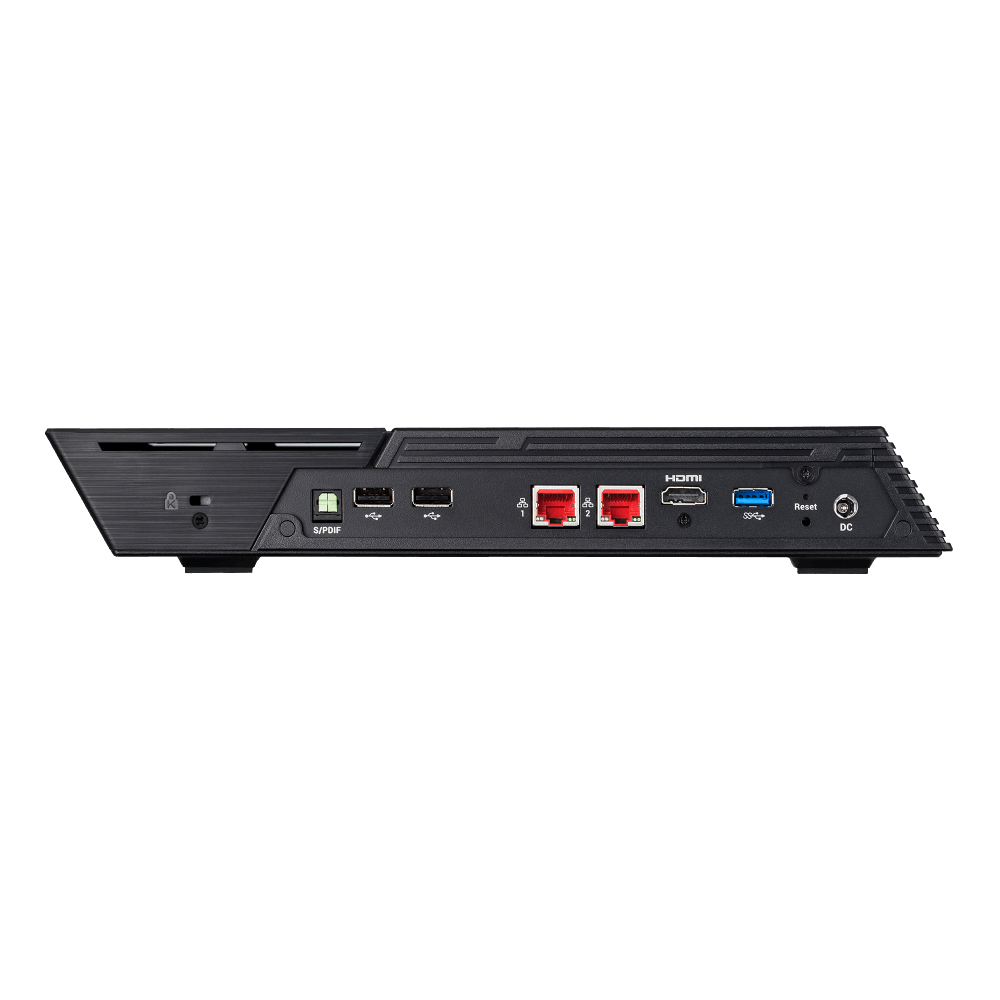
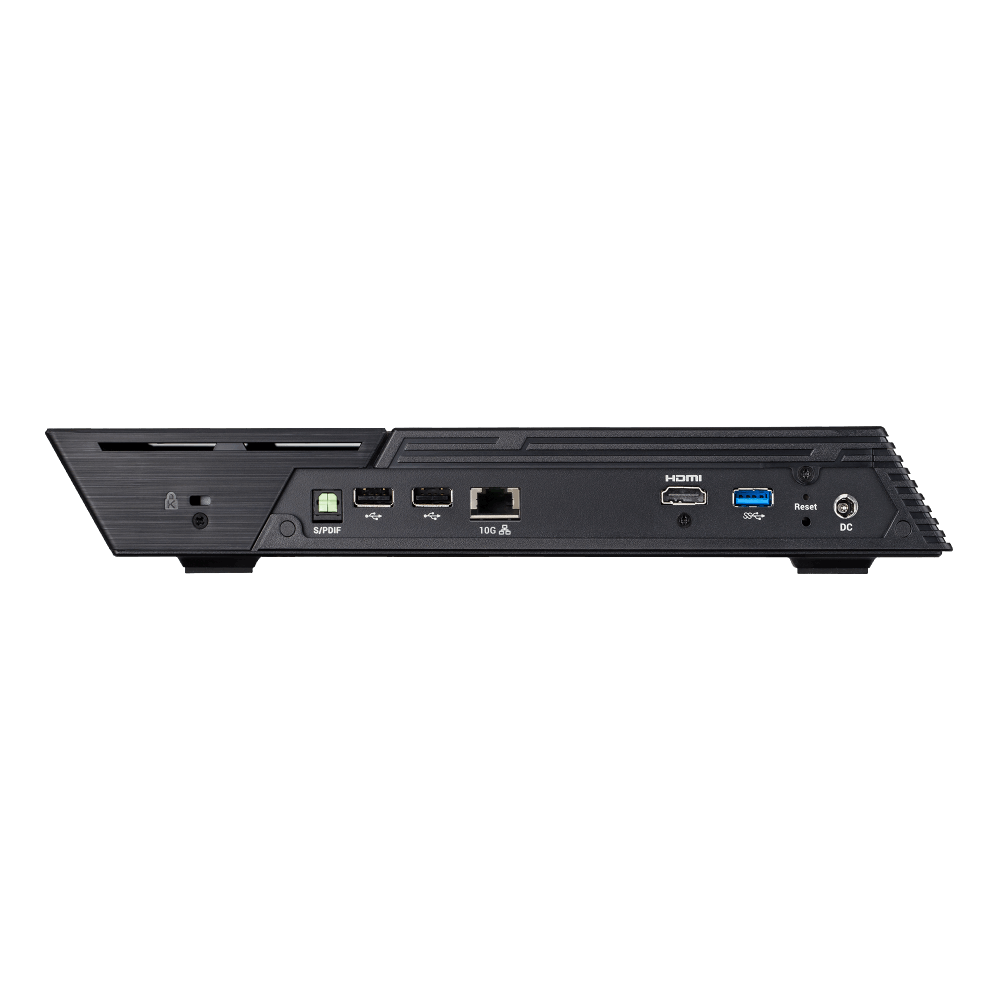
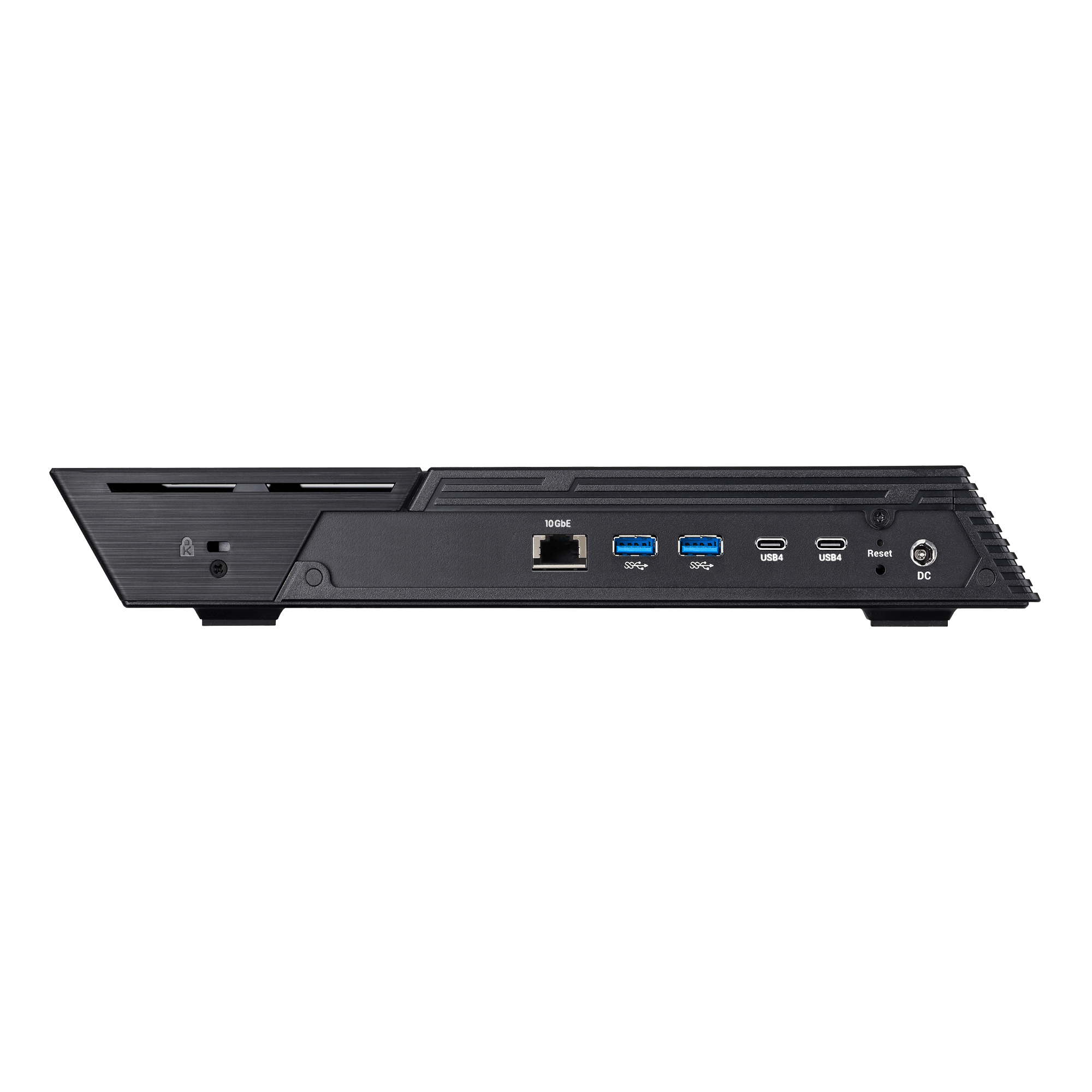
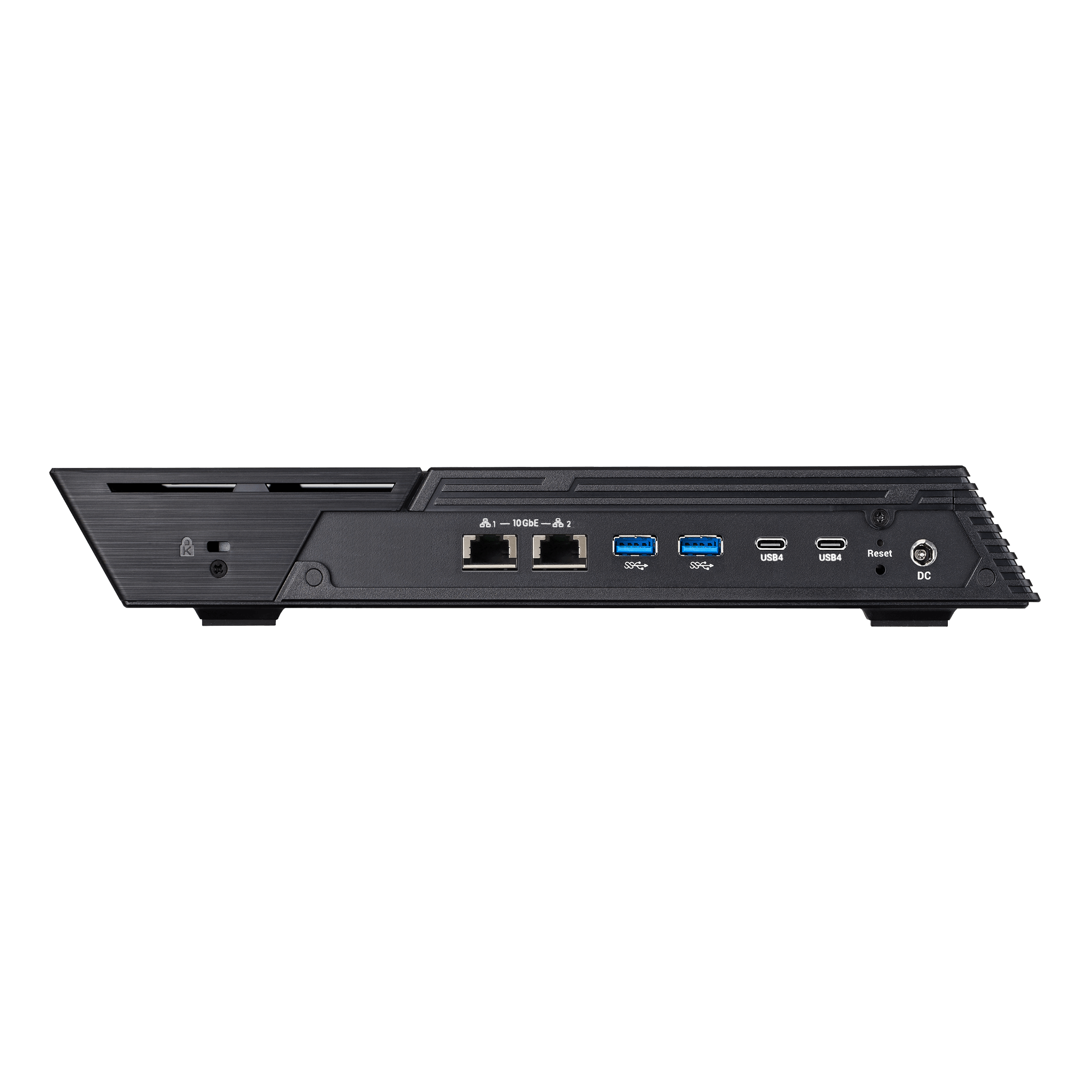
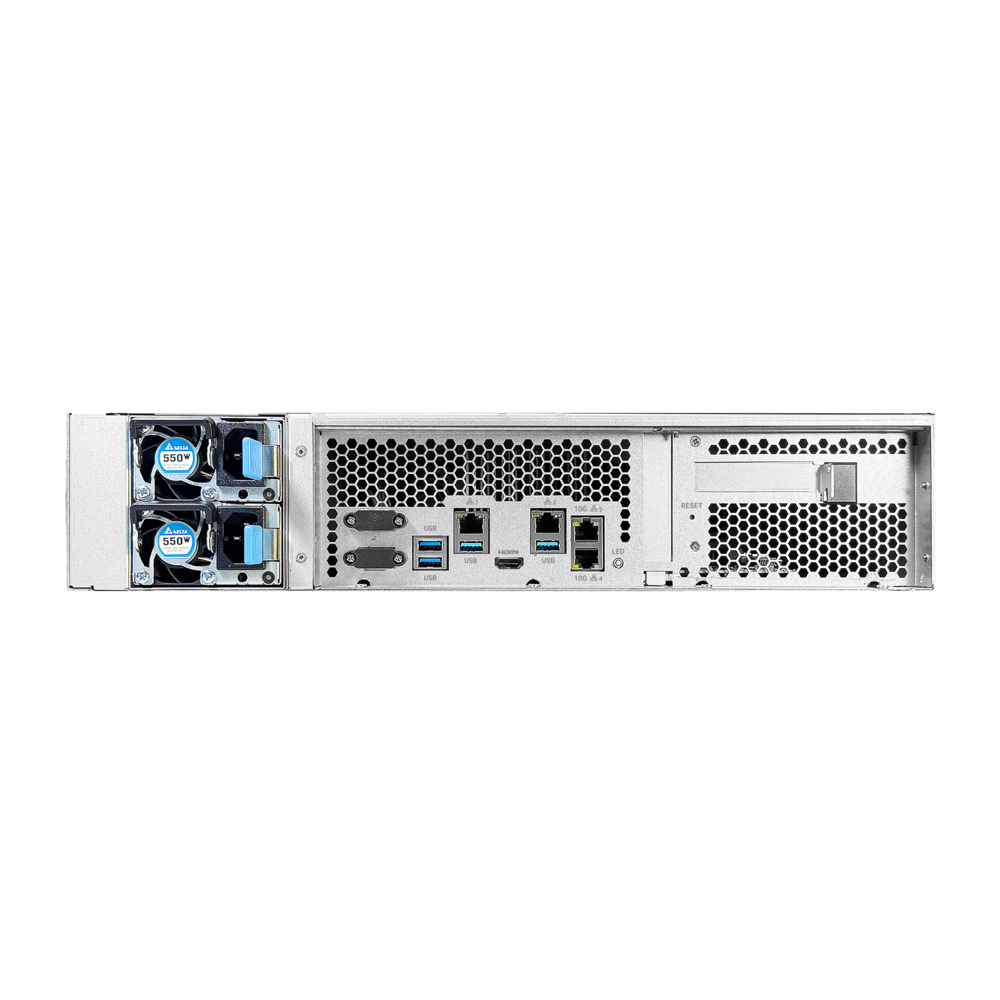
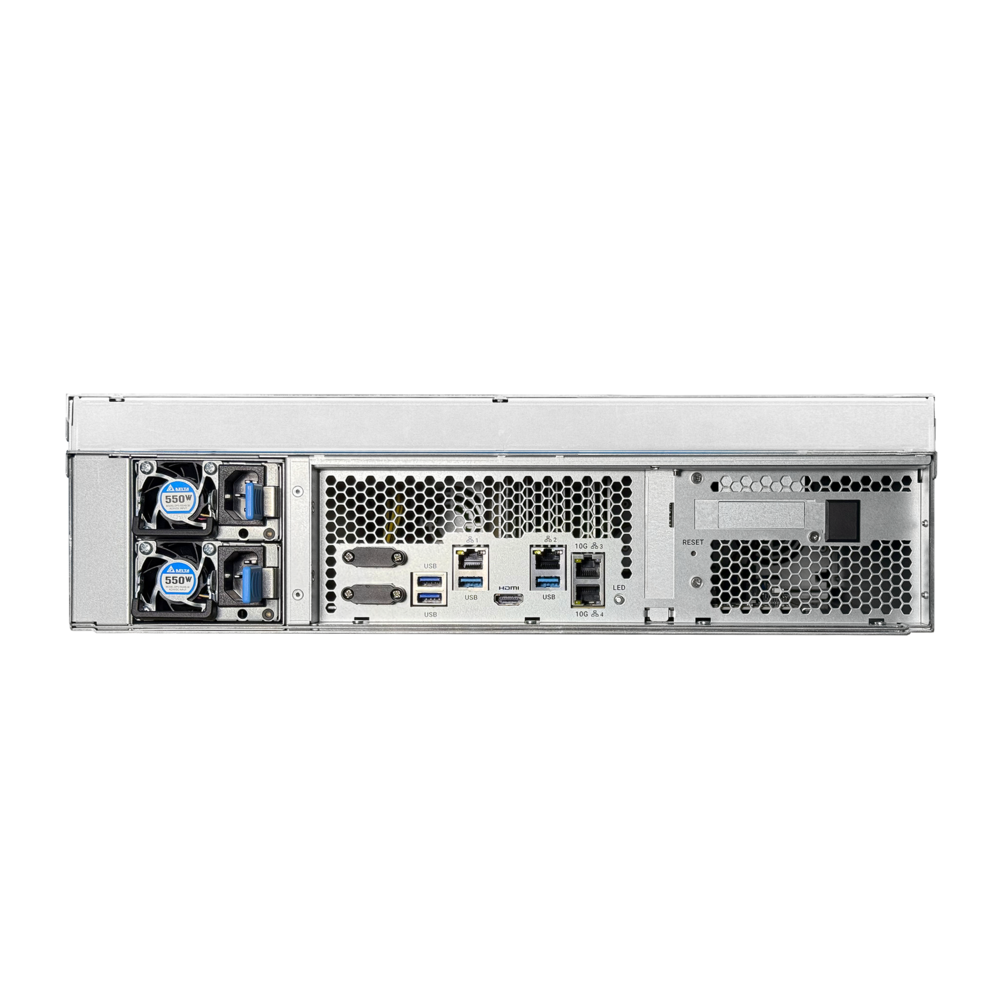
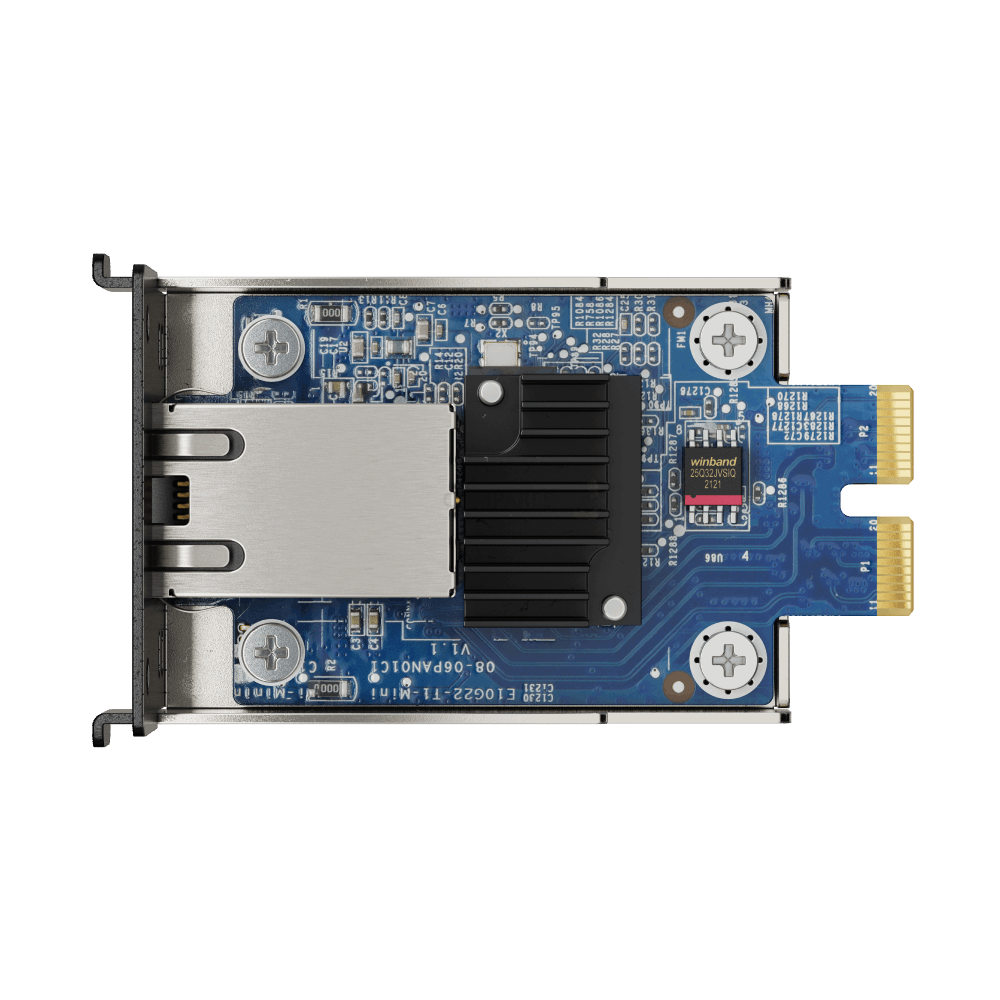
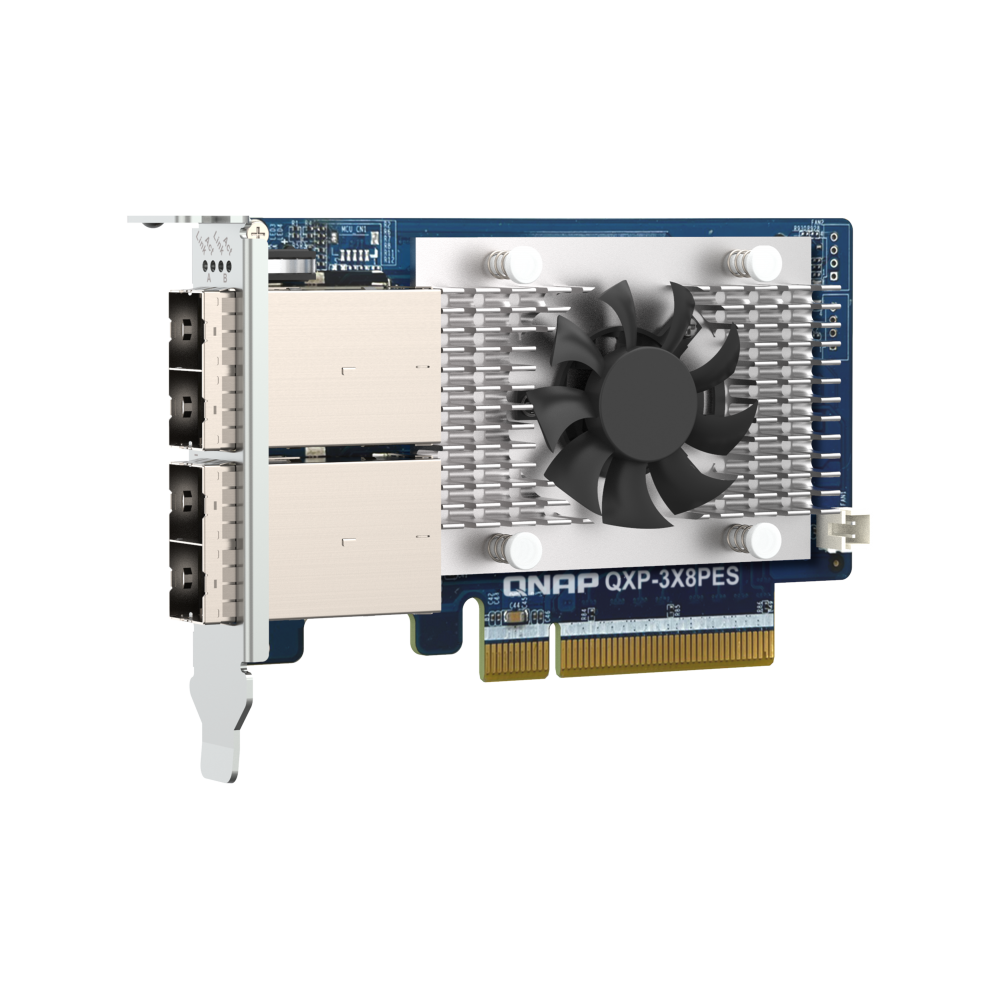
The QSN-3000 combines an Intel(R) Xeon(R) E-2336 processor, 128GB DDR4 ECC memory, enterprise-class HDD and SSD configurations, and support for high-speed networking. Two built-in 10GBASE-T ports and two 2.5GbE ports provide network connectivity, while optional 25GbE is supported through a PCIe adapter.
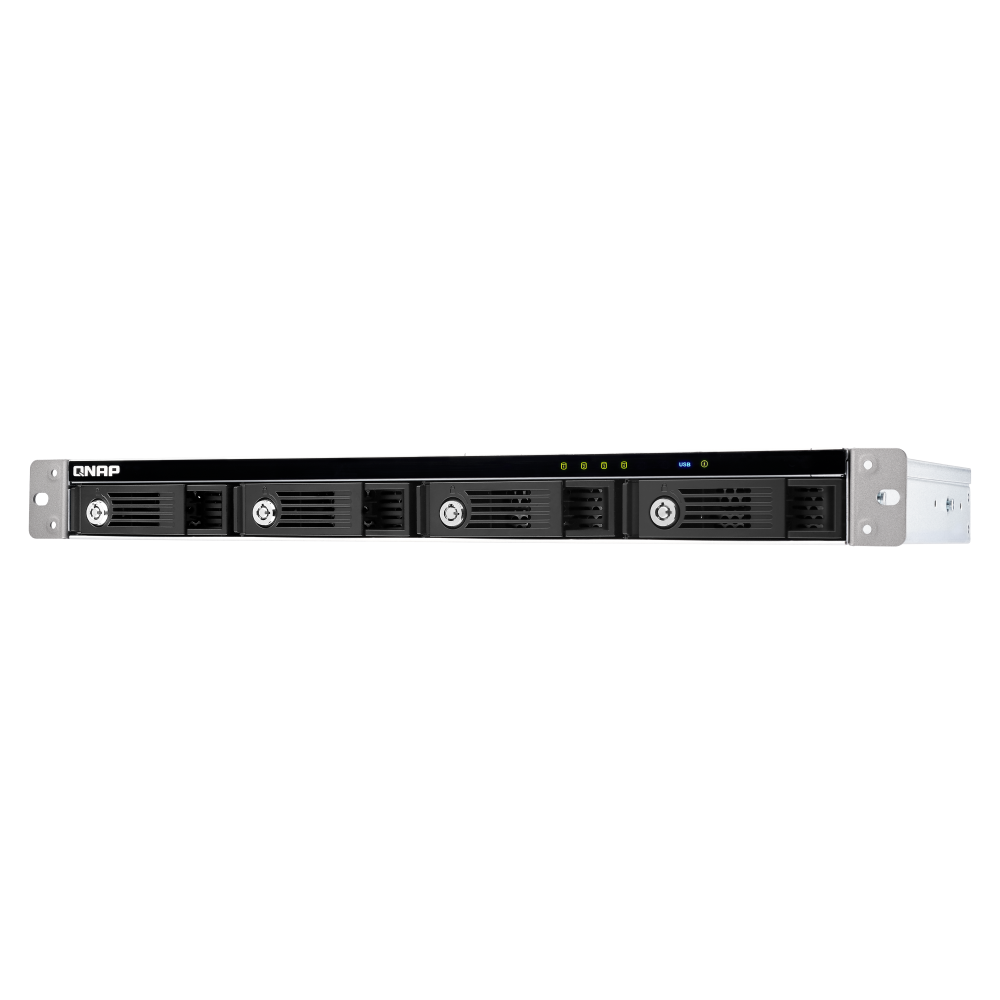
Twelve 3.5-inch SATA bays provide HDD capacity, while six dedicated 2.5-inch SATA SSD slots support SSD acceleration.
Enterprise Monitoring and Operations
Integrated tools support cluster visibility, alerting and continuous service operation.
Prometheus Monitoring
Prometheus integration supports comprehensive monitoring across the Scale-out cluster.
Alertmanager Notifications
Alertmanager integration provides cluster alerting for operational awareness.
Rolling Upgrades and Service War Room
Rolling upgrades help maintain service availability, while QNAP Service War Room integration provides real-time vendor support and long-term operational assurance.
Choose the Appropriate QSN Scale-out Node
Compare the supplied QSN-3000, QSN-3050 and QSN-7530 configurations.
QSN-3000
- Intel(R) Xeon(R) E-2336 6-core processor
- 128GB DDR4 ECC UDIMM
- 12 x 3.5-inch SATA + 6 x 2.5-inch SATA
- 2 x 10GbE BASE-T and 2 x 2.5GbE BASE-T
- 2U rackmount
QSN-3050
- Intel(R) Xeon(R) E-2378 8-core processor
- 128GB DDR4 ECC UDIMM
- 24 x 3.5-inch SATA + 6 x 2.5-inch SATA
- 2 x 10GbE BASE-T and 2 x 2.5GbE BASE-T
- 4U rackmount
QSN-7530
- AMD Ryzen(TM) 9 PRO 7945 12-core processor
- 192GB DDR5 ECC RDIMM
- 30 x 2.5-inch SATA
- 2 x 10GbE BASE-T and 2 x 2.5GbE BASE-T
- 2U rackmount
Frequently Asked Questions
Quick answers about the QNAP QSN-3000 Scale-out storage node.
How does the QSN-3000 scale storage capacity and performance?
Organisations can add nodes to the cluster as requirements grow. Both capacity and throughput scale with each additional node, and scaling operations are performed without service interruption.
Which data protection methods does the QSN-3000 support?
It supports Erasure Coding and Replication, with the node defined as the failure domain.
What happens if a cluster node fails?
Services automatically recover and migrate to maintain availability, while self-healing processes rebuild lost data.
Which storage protocols are supported?
The supplied product information lists native support for SMB, NFS and the S3 API.
How many drive bays does the QSN-3000 provide?
It provides 18 drive bays: 12 x 3.5-inch SATA bays and 6 x 2.5-inch SATA SSD bays.
What network ports are built in?
It includes two 10GBASE-T ports and two 2.5GbE ports. Optional 25GbE connectivity is supported through a PCIe adapter.
Memory installation note: Use only QNAP memory modules to maintain system performance and stability. For systems with more than one memory slot, use modules with identical specifications and refer to the hardware user manual.
Product images are for illustrative purposes only. Designs and specifications are subject to change without notice.